
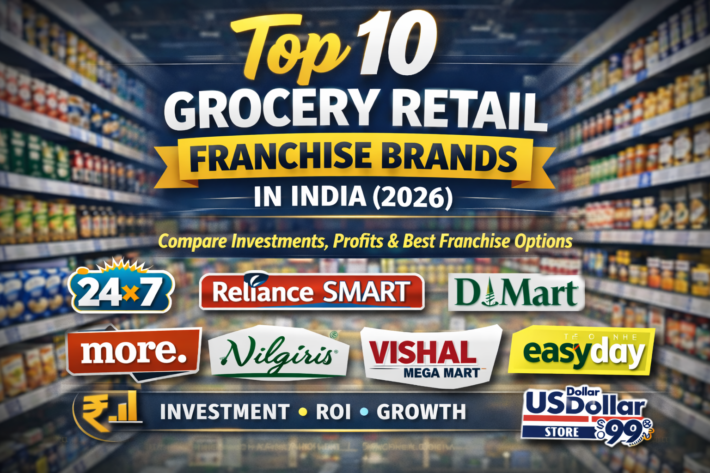
If there is one business category in India that doesn’t depend on trends, seasons, or moods, it is grocery and value retail. People may postpone buying a phone or clothes, but they will never stop buying food, household items, and daily essentials.
That’s exactly why grocery retail franchise brands in India continue to attract serious investors year after year.
From big names like Reliance and DMart to fast-growing formats like US Dollar Store 99 and New Shop, the choices look exciting—but confusing. This guide breaks everything down in plain language, so you can decide what actually fits you.
Why Grocery & Value Retail Feels Safer Than Most Businesses
Most franchise investors make one mistake—they chase excitement instead of stability.
Grocery retail is boring on the surface, but powerful underneath:
- Customers walk in every week, sometimes every day
- Payments are instant
- Inventory keeps moving
- Brand recall already exists
That’s why even during slowdowns, grocery stores stay busy. For investors who want predictable income instead of risky growth, grocery retail franchise brands in India make practical sense.
Organized Supermarkets vs Convenience Stores
Before comparing brands, you need clarity on formats.
Organized Supermarkets
Brands like Reliance Smart, More, Spencer’s, Vishal Mega Mart fall here.
They work best when:
- The store is large
- Footfall is strong
- The investor can manage higher capital
Returns are steady, but patience is required.
Convenience Stores
Brands like 24×7, New Shop, Easyday, US Dollar Store 99 fall here.
They suit investors who want:
- Smaller stores
- Faster setup
- Lower operational stress
Margins may be slightly better, but volumes depend heavily on location.
Brand-by-Brand Overview
Reliance Smart
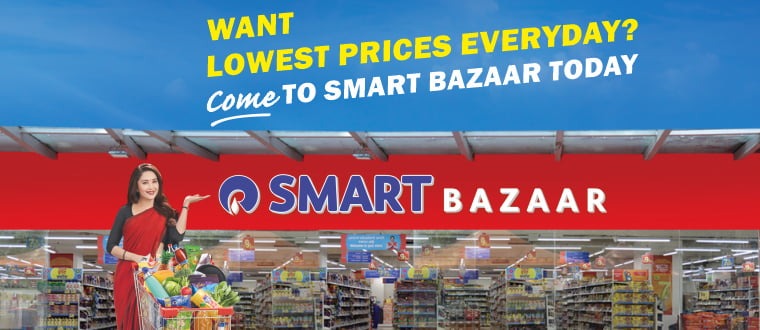
Reliance dominates Indian retail for a reason—supply chain strength. Pricing power is its biggest weapon. You earn through volume, not margins.
Works well if:
You have a prime location and long-term mindset.
DMart
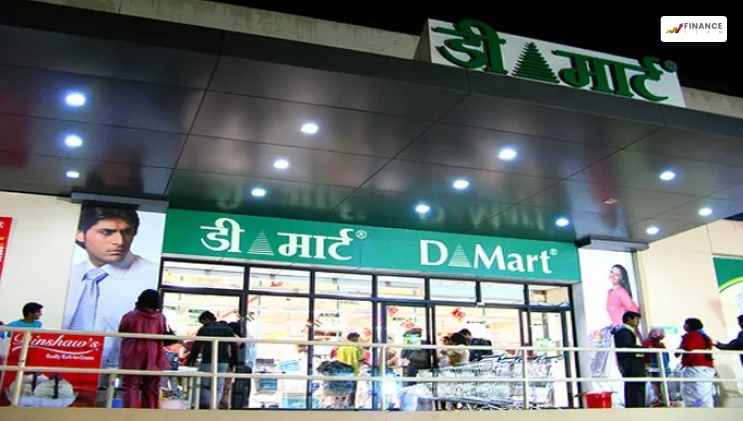
DMart is admired by customers and investors alike. However, it’s not a typical franchise. Entry is limited and often asset-driven.
Works well if:
You are more of a property investor than a hands-on retailer.
More Supermarket
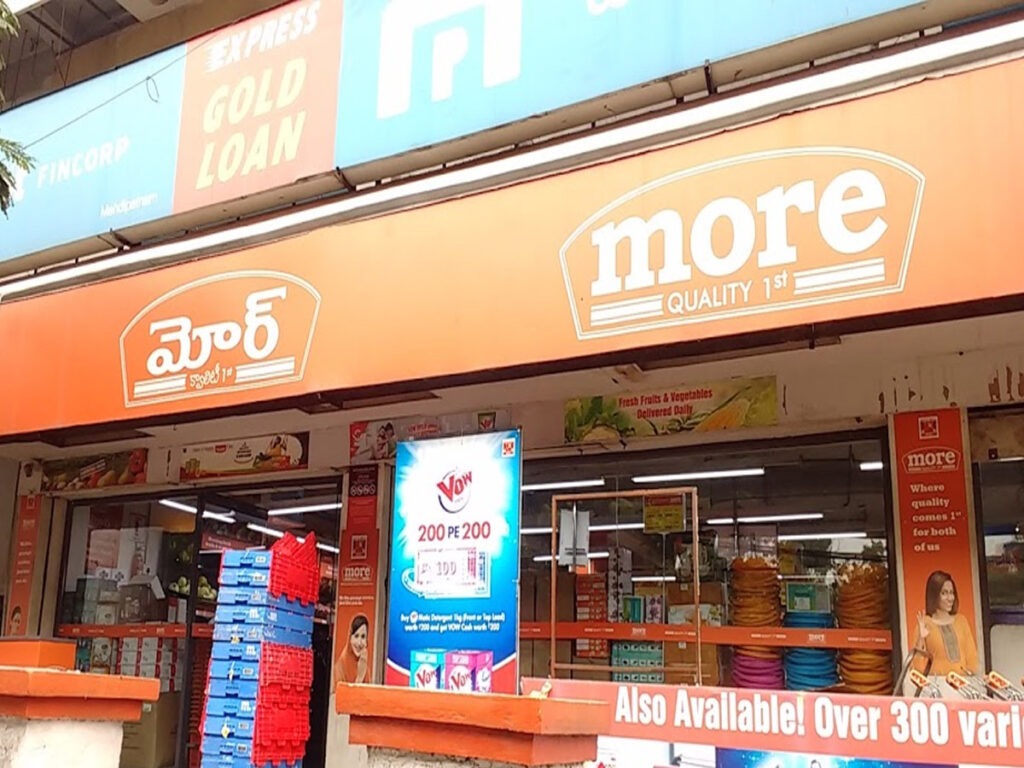
More sits comfortably between premium and mass retail. It performs well in residential areas and non-metro cities.
Works well if:
You want scale without going extremely premium.
Spencer’s
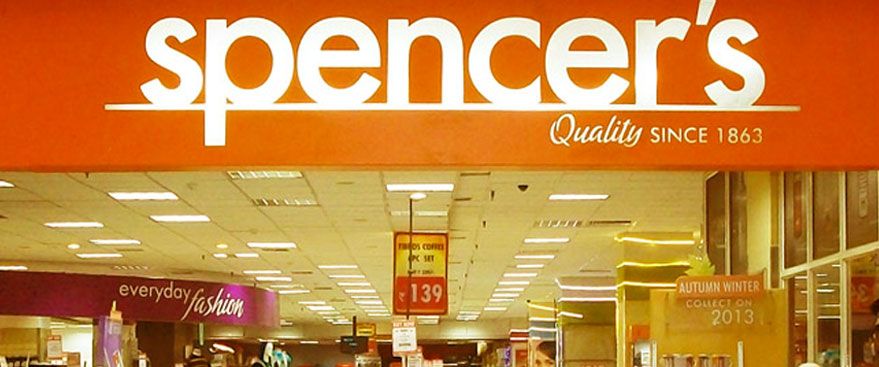
Spencer’s focuses on curated assortments and slightly premium customers. Operations are tighter, and customer expectations are higher.
Works well if:
Your store is in an urban or semi-premium zone.
Easyday
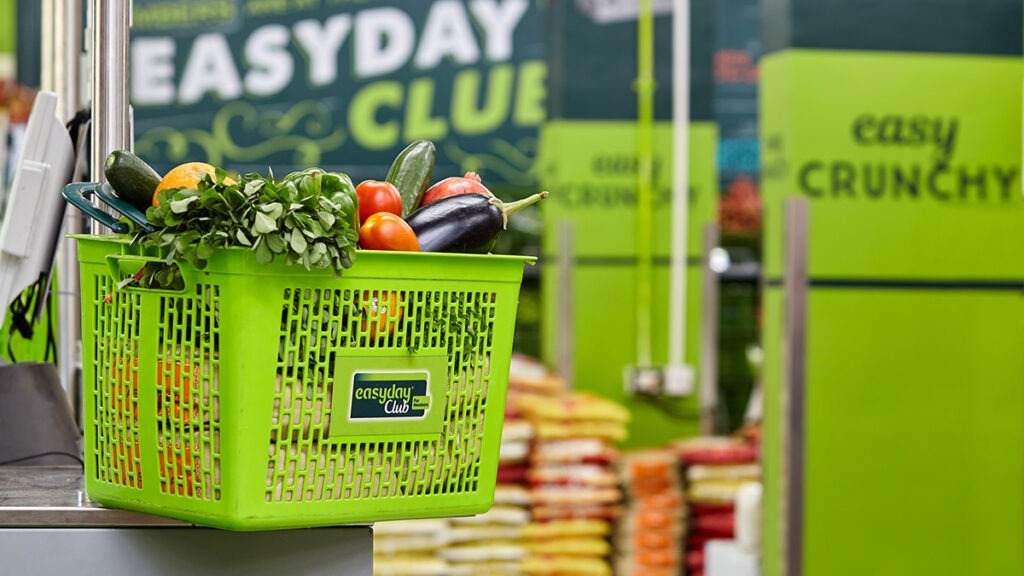
Easyday keeps things simple—daily essentials, neighborhood stores, manageable operations.
Works well if:
You’re entering retail for the first time.
Nilgiri’s
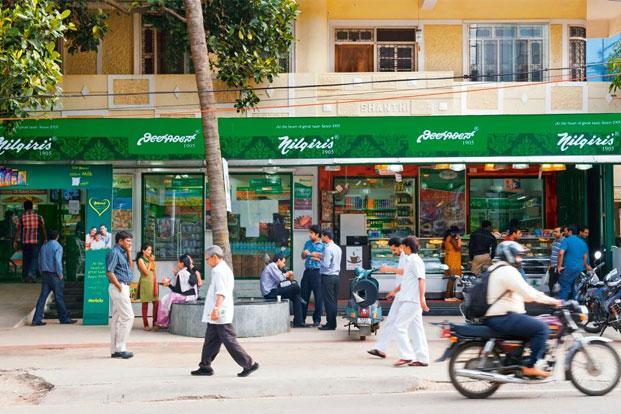
Nilgiri’s has deep-rooted trust, especially in South India. Customers are loyal, and repeat visits are strong.
Works well if:
Your location falls within their strong regional markets.
Vishal Mega Mart
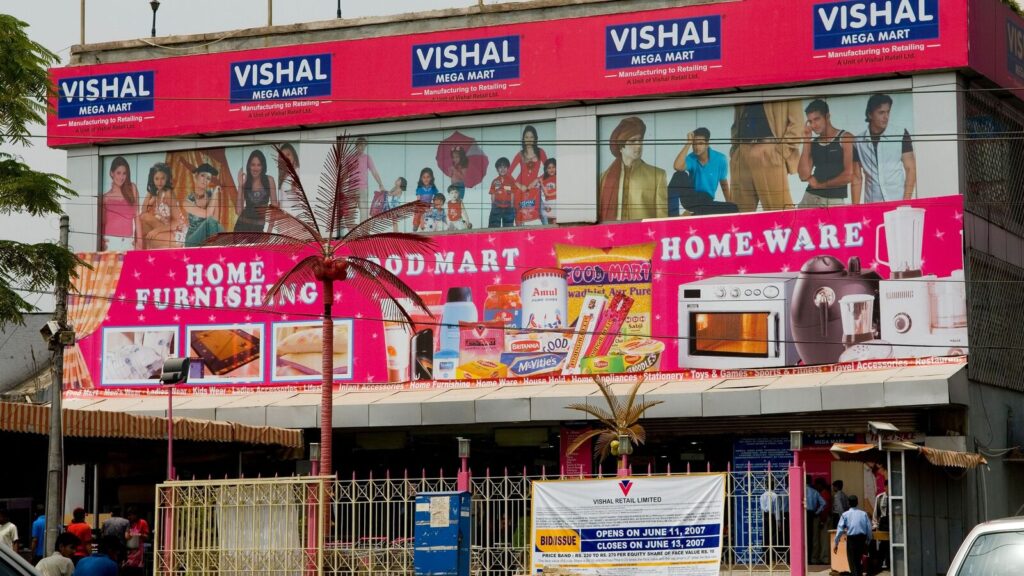
This is value retail at scale—grocery mixed with apparel and general merchandise. Margins are thin, volumes are heavy.
Works well if:
Your area attracts price-sensitive customers.
24×7 Convenience Store
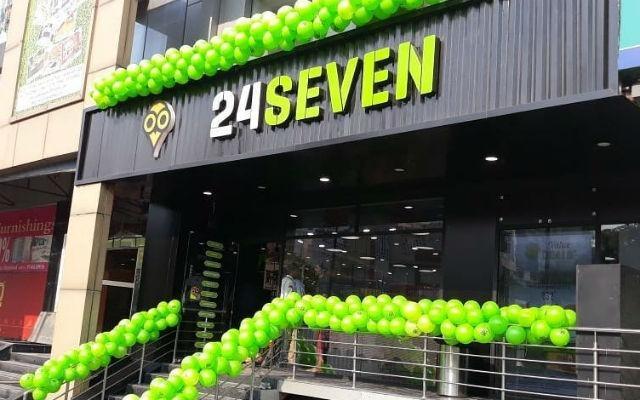
Late-night footfall, quick purchases, and impulse buying drive this format.
Works well if:
Your store is in a high-density urban area.
New Shop
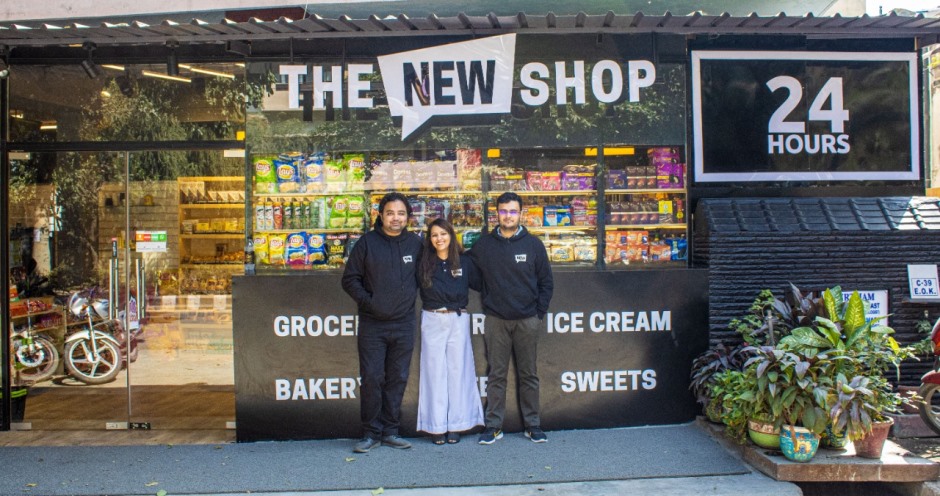
Compact, efficient, and fast-moving. Popular near offices, hostels, and residential clusters.
Works well if:
You have limited space but steady footfall.
US Dollar Store 99

Fixed-price retail is gaining attention fast. Simple pricing makes customer decisions easy and stock movement faster.
Works well if:
You want low entry cost with strong rotation.
Investment Comparison: From Entry-Level to Big League
| Brand | Approx Investment |
|---|---|
| US Dollar Store 99 | ₹20–30 Lakhs |
| New Shop | ₹25–35 Lakhs |
| Easyday | ₹30–40 Lakhs |
| 24×7 | ₹35–50 Lakhs |
| More | ₹50–75 Lakhs |
| Nilgiri’s | ₹60–80 Lakhs |
| Spencer’s | ₹75 Lakhs+ |
| Vishal Mega Mart | ₹1 Cr+ |
| Reliance Smart | ₹1–2 Cr |
| DMart | Selective / Asset-led |
Space & Location: Where Most Investors Go Wrong
You can’t fix a bad location with a big brand.
- Convenience formats need visibility, not size
- Supermarkets need parking and access
- Residential density beats highway frontage
Most grocery retail franchise brands in India perform well only when store placement is right.
Margins, Cash Flow & Reality Check
Let’s be honest.
- Gross margins: 10–18%
- Net margins: 3–6%
- Break-even: 30–48 months
This business rewards discipline, not shortcuts. Inventory control and staff management matter more than marketing.
Which Brand Fits Which Investor
- First-time investor: Easyday, US Dollar Store 99
- Low space available: New Shop, 24×7
- Tier-2 / Tier-3 city: More, Vishal Mega Mart
- Premium catchment: Spencer’s, Reliance
- Real estate focused: DMart
The smartest investors don’t ask “Which brand is best?”
They ask “Which brand fits my situation?”
Best Grocery Franchise Choices by Budget
- ₹20–30 Lakhs: US Dollar Store 99
- ₹30–50 Lakhs: Easyday, New Shop
- ₹50–80 Lakhs: More, Nilgiri’s
- ₹1 Cr and above: Reliance Smart, Vishal Mega Mart
Every grocery retail franchise brand in India has potential—when matched correctly.
A Straight Talk Before You Decide
Grocery retail is not glamorous.
But it is dependable.
If you respect the numbers, choose the right location, and don’t expect overnight miracles, this sector can quietly build strong monthly income for years.
That’s why experienced investors keep returning to grocery retail—again and again.
FranchiseZing Insight
Good franchises look attractive on paper.
Great franchises work quietly on the ground.